.png)
Blog Details
Complete blog information
Vigan: A Living Chronicle of Spanish Colonial Heritage
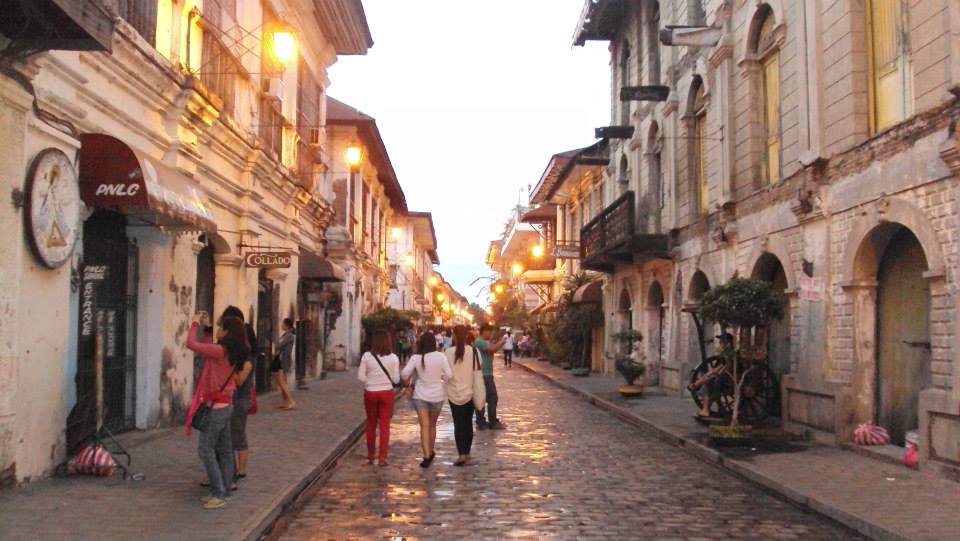
Photography: Documenting the Ilocos Landscape
Step into a world where time stands still among the cobblestone streets and grand ancestral houses of Vigan, a UNESCO World Heritage City that captures the soul of the Philippines' Spanish colonial past.
The City of Vigan serves as a magnificent living museum, preserved so perfectly that walking through its historic district feels like a deliberate step back into the late 16th century when it was a vital trading post in the Spanish East Indies. At the center of this heritage experience is the world-famous Calle Crisologo, a street lined with massive "Bahay na Bato" (stone houses) featuring thick walls, red-tiled roofs, and elegant capiz-shell windows that glow with a warm, nostalgic light as evening falls. This architectural marvel is a testament to the "Earthquake Baroque" style, designed to be both aesthetically grand and structurally resilient against the tropical elements, while the nearby St. Paul’s Cathedral and its detached bell tower stand as towering monuments of the deep religious roots that shaped the Ilocano identity.
Beyond the visual splendor of its architecture, Vigan is a city of living traditions, where visitors can still witness the ancient art of "Burnay" pottery at local workshops or watch "Abel" weavers transform colorful threads into intricate fabrics on wooden looms passed down through generations. The sensory experience of Vigan is completed by its world-renowned culinary heritage, inviting travelers to savor the crunch of a freshly fried Vigan empanada or the savory punch of local longganisa while sitting in the shadow of centuries-old plazas. As the sun sets and the dancing fountains of Plaza Salcedo illuminate the night, it becomes clear that Vigan is not merely a relic of history, but a vibrant, breathing community that continues to honor its complex past while welcoming the world to experience the enduring charm of the North.
Beyond the visual splendor of its architecture, Vigan is a city of living traditions, where visitors can still witness the ancient art of "Burnay" pottery at local workshops or watch "Abel" weavers transform colorful threads into intricate fabrics on wooden looms passed down through generations. The sensory experience of Vigan is completed by its world-renowned culinary heritage, inviting travelers to savor the crunch of a freshly fried Vigan empanada or the savory punch of local longganisa while sitting in the shadow of centuries-old plazas. As the sun sets and the dancing fountains of Plaza Salcedo illuminate the night, it becomes clear that Vigan is not merely a relic of history, but a vibrant, breathing community that continues to honor its complex past while welcoming the world to experience the enduring charm of the North.