.png)
Blog Details
Complete blog information
Discover Ilocos
Photography: Documenting the Ilocos Landscape
Where heritage meets the sea. From cobblestone streets to dramatic coastlines, Ilocos offers a journey through culture, history, and unforgettable landscapes.
Ilocos is a region where history and nature converge along the northwestern coast of Luzon. It is defined by a unique landscape that transitions from the well-preserved Spanish colonial architecture of the 16th century to a rugged, dramatic coastline shaped by the South China Sea.
The region is anchored by the heritage city of Vigan, where cobblestone streets and ancestral stone houses reflect a deep colonial past. This cultural history extends to the province of Ilocos Norte, home to iconic "Earthquake Baroque" structures like the Paoay Church, which features massive coral-stone buttresses built to withstand the elements.
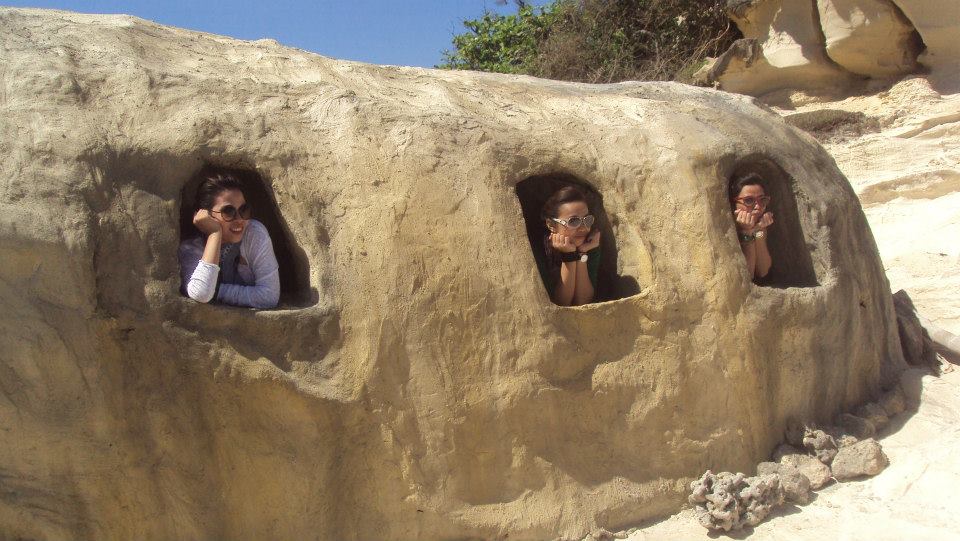
Beyond its man-made landmarks, Ilocos is characterized by its distinct natural features. The northern landscape includes the expansive sand dunes of La Paz, the stark white limestone formations of Kapurpurawan, and the coastal ridges of Pagudpud. The horizon is further marked by the Bangui Wind Farm, where rows of giant turbines stand against the sea breeze.
The local culture is deeply tied to the land and sea, expressed through traditional crafts like pottery and weaving, as well as a resilient culinary tradition known for its bold, savory flavors. From the high cliffs of the Patapat Viaduct to the quiet plazas of its historic towns, Ilocos offers a scenery where cultural heritage and the natural environment remain inextricably linked.
The region is anchored by the heritage city of Vigan, where cobblestone streets and ancestral stone houses reflect a deep colonial past. This cultural history extends to the province of Ilocos Norte, home to iconic "Earthquake Baroque" structures like the Paoay Church, which features massive coral-stone buttresses built to withstand the elements.
Beyond its man-made landmarks, Ilocos is characterized by its distinct natural features. The northern landscape includes the expansive sand dunes of La Paz, the stark white limestone formations of Kapurpurawan, and the coastal ridges of Pagudpud. The horizon is further marked by the Bangui Wind Farm, where rows of giant turbines stand against the sea breeze.
The local culture is deeply tied to the land and sea, expressed through traditional crafts like pottery and weaving, as well as a resilient culinary tradition known for its bold, savory flavors. From the high cliffs of the Patapat Viaduct to the quiet plazas of its historic towns, Ilocos offers a scenery where cultural heritage and the natural environment remain inextricably linked.